
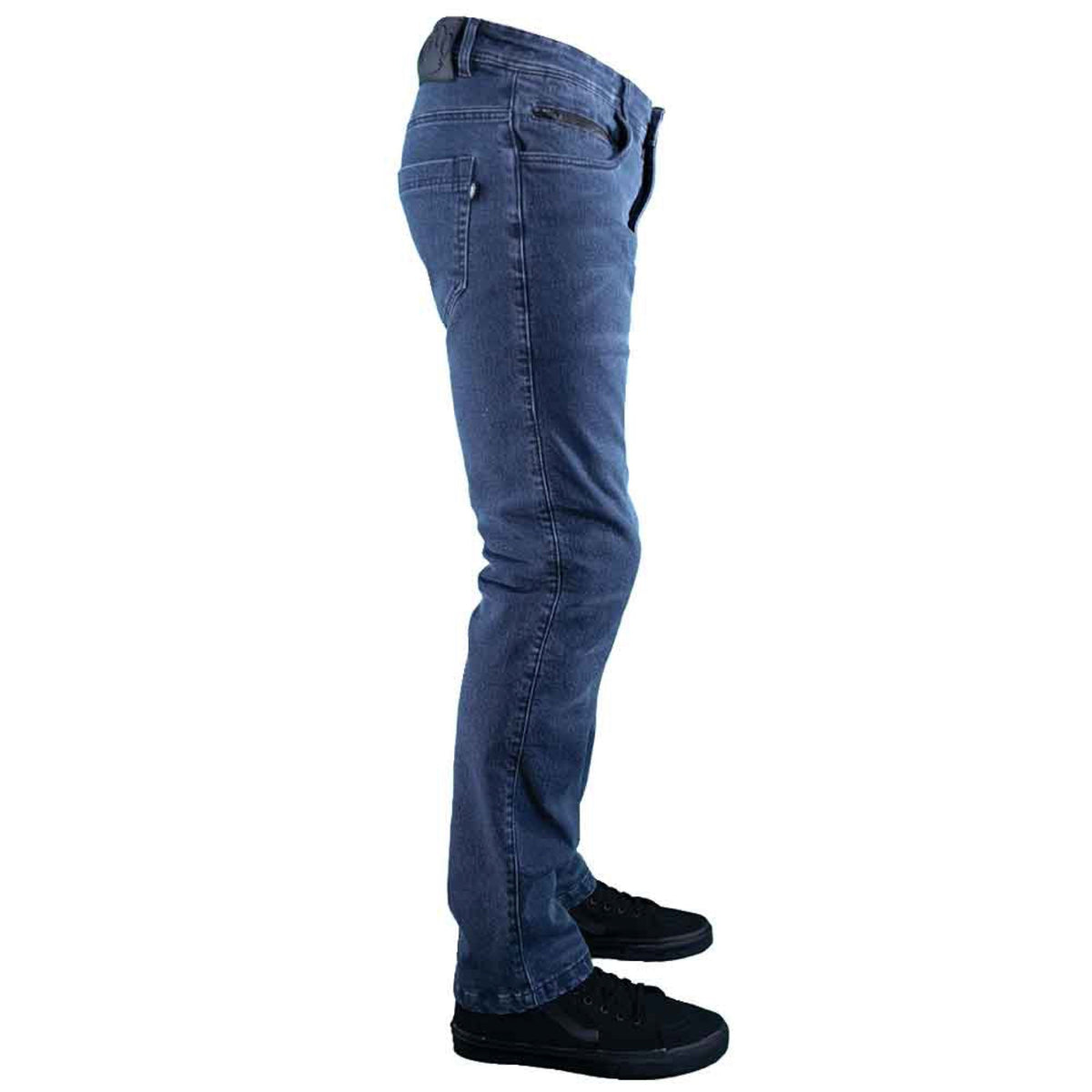
Hip armor is the least talked-about piece of protection in motorcycle gear — and one of the most important. Riders spend a lot of time thinking about back protectors and knee armor, but hip injuries in motorcycle crashes are common, serious, and largely preventable with the right gear.
Here's what hip armor actually does, why it matters, and what to look for.
Why Hips Are Vulnerable in a Crash

In a low-side crash — the most common type of motorcycle accident — the rider slides off the bike and hits the ground hip-first. The hip is one of the first points of contact with the road, and it takes both impact force from the initial hit and abrasion force from the slide.
Hip fractures are among the most serious injuries in motorcycle accidents. The greater trochanter — the bony prominence on the outer hip — is particularly vulnerable to direct impact. A fracture here can mean surgery, extended recovery, and long-term mobility issues.
Hip armor addresses the impact component directly.
What Hip Armor Does

CE-certified hip armor (EN 1621-1) is designed to absorb and distribute impact energy before it reaches your body. The armor sits in a pocket at the hip position in motorcycle jeans or trousers and acts as a buffer between your hip and the road surface in a crash.
Like all CE limb armor, hip protectors are rated Level 1 or Level 2:
- CE Level 1: average transmitted force below 35 kN
- CE Level 2: average transmitted force below 20 kN — significantly more impact absorption
For hip protection, CE Level 2 is the standard worth specifying. The hip takes significant force in a low-side crash, and the difference in impact absorption between Level 1 and Level 2 is meaningful.
Hip Armor vs Knee Armor: Which Matters More?
Both matter — but they protect against different things. Knee armor protects against impact to the knee joint, which is vulnerable in both low-side and high-side crashes. Hip armor protects against the initial ground impact in a low-side slide.
In practice, most CE-rated motorcycle jeans include knee armor as standard and offer hip armor as an optional insert. If your jeans have hip armor pockets, use them. The additional bulk is minimal and the protection benefit is significant.
What to Check in Your Current Gear
Many riders don't know whether their motorcycle jeans include hip armor or have hip armor pockets. Here's how to check:
- Look for pockets at the outer hip position — usually accessed from the inside of the waistband or through a side opening
- Check whether the pockets are empty — many jeans ship with hip armor pockets but no armor included
- If pockets are present but empty, buy CE Level 2 hip armor inserts in the correct size and add them
- If no pockets are present, the jeans cannot be upgraded for hip protection without modification
Hip Armor in FlexGuard® Jeans
The FlexGuard® Hydro Jeans and FlexGuard® Air Mesh Jeans include hip armor pockets. Check the product page for current armor specification — if hip armor is not included as standard, CE Level 2 inserts can be added to the pockets.
The Bottom Line
Hip armor protects one of the most vulnerable impact points in a low-side crash. If your motorcycle jeans have hip armor pockets, fill them — CE Level 2 if possible. If they don't, factor hip protection into your next gear purchase. It's a small addition that addresses a serious injury risk.


Leave a comment
This site is protected by hCaptcha and the hCaptcha Privacy Policy and Terms of Service apply.